Tag: Innovation

Startup 302: Delaware’s Launchpad for Diverse Founders

Delaware’s innovation ecosystem continues to attract attention as the fifth annual Startup302 competition showcases emerging talent from across the country. Coordinated by the Delaware Prosperity Partnership (DPP), this pitch contest supports tech-enabled startups led by underrepresented founders, including women, people of color, and LGBTQ+ entrepreneurs. 

From more than 100 applicants, just nine finalists competed to win over $115,000 in non-dilutive grants and gain invaluable access to advisors, investors, and Delaware’s vibrant startup community.

Supporting Underrepresented Startup Talent

Startup302 offers more than funding—it provides critical exposure within a community that values inclusivity and innovation. For early-stage founders who are often overlooked by traditional venture networks, this competition is a chance to gain visibility and build momentum. Finalists spanned three high-growth sectors:

Fintech 

Grad Village (Wilmington, DE) 

Roam (Everett, WA) 

Innocuous AI (New York, NY) 

Environnemental Impact 

Crystron Materials (Wilmington, DE) 

Kipostech (Columbia, PA) 

rotate8 (San Gregorio, CA) 

Life Sciences 

Aeromedical Innovations (Felton, DE) 

Fetal Therapy Technologies (Baltimore, MD) 

Vasowatch (Philadelphia, PA) 

Each finalist pitched their company at a sector-focused Delaware event—offering not just funding, but connections and credibility.

FinTech Innovation Takes the Stage

FinTechs & Fairways, held on April 8–10 and hosted by the Center for Advancing Financial Equity (CAFE) accelerator, spotlighted the fintech finalists in a dynamic setting that blended startup energy with investor insight. Roam, a next-generation HOA management platform, took first place. Wilmington-based Grad Village, connecting college students with private donors, earned second and Innocuous AI, focused on simplifying data management and collection for financial institutions, placed third. 

Startups gained not only grant funding but exposure to national investors and mentors. The event also introduced six additional fintech startups from the CAFE spring accelerator cohort: DubPrime, Goodtrust, Spare, Starlight, TAZI AI, and Trackstar AI.

CleanTech Innovation Ecosystem Summit 

On April 24, the IS: CleanTech 2025 summit at The Innovation Space in Wilmington brought together entrepreneurs, investors, and industry leaders to explore the future of clean technology and sustainability. This premier half-day event featured insightful discussions, networking opportunities, and a showcase of groundbreaking solutions in climate tech and clean energy.  

A highlight of the summit was the Startup302 Environmental Impact Finals, where finalists Crystron Materials, KiposTech, and rotate8 presented their innovative approaches to pressing environmental challenges. KiposTech, with its patent-pending hardware system that merges bioaerosol science with advanced data analytics to enhance biosecurity, emerged as the winner. Rotate8, which offers a solar-powered farm automation suite to streamline farming operations, took second place. Crystron Materials took home third place with its sustainable battery technology.

Life Sciences Finalists Take the Stage at Delaware’s DNA Conference

The final round of Startup302 took place at Delaware’s DNA Life Science Conference  on May 8 at the Chase Center on the Riverfront in Wilmington. The event brought together biotech leaders, researchers, startups, and investors to celebrate Delaware’s growing life sciences sector—and to spotlight some of the most promising startups in the region.  

In a close competition, Fetal Therapy Technologies earned first place for its groundbreaking device that enables surgeons to perform corrective procedures on fetuses in utero. Second place went to Vasowatch for its real-time fetal monitoring system that detects postpartum hemorrhage during childbirth, while Delaware-based Aeromedical Innovations secured third for its wireless patient monitoring solution designed to replace traditional hospital cables.

solution designed to replace traditional hospital cables. 

Fueling Growth and Connections

Startup302 finalists receive travel stipends and can earn between $3,000 and $25,000 in grants, with bonus incentives for Delaware-based startups. But the deeper value lies in long-term relationships—with fellow founders, investors, and future partners. 

Since 2020, 583 companies have applied for the competition, and 61 companies were awarded $926,500 in non-diluted unrestricted grants which further strengthens Delaware’s reputation as a home for equitable innovation. Sponsors including Bronze Valley, Chase, DuPont, Discover Bank, Delaware Biotechnology Institute, FMC, Highmark Delaware, and The Mill help ensure the program continues to grow. 

➡️ Learn more about the competition and meet the finalists at Startup302.

Newsletter Sign Up

Stay Up To Date With Delaware

Continue reading

DE is Strong Base for Early-Stage Firms

Delaware’s innovation ecosystem: A strong foundation for early-stage growth

July 10, 2025

By Noah Olson, Director of Innovation, Delaware Prosperity Partnership

Delaware has long punched above its weight in science and technology. With a legacy built on industry-defining innovation—most famously by DuPont—Delaware has continued to evolve, developing a dynamic innovation ecosystem that supports early-stage companies a state for long-term economic vitality. Today, Delaware combines world-class R&D assets with a collaborative entrepreneurial community and five key science and technology (S&T) opportunity areas for future growth. Taken together with three emerging sectors, this portfolio makes Delaware an increasingly attractive place to start and grow a business.

At the core of Delaware’s innovation strengths is its robust R&D foundation. The state ranks sixth nationally in industrial R&D intensity, with more than $2 billion in industry R&D investment annually, largely driven by the chemicals, pharmaceuticals, and advanced materials sectors. This investment supports high levels of patent activity and fuels a dynamic knowledge economy, anchored by research institutions like the University of Delaware (UD) and Delaware State University (DSU), each of which have made substantial investments in research capacity and entrepreneurship infrastructure in recent years.

Delaware’s innovation ecosystem is further supported by a network of organizations and facilities dedicated to helping startups succeed.

These include the Innovation Space, a nationally recognized science accelerator; the Horn Entrepreneurship program at UD, ranked among the top in the country; and a continuum of entrepreneurial support through co-working hubs, incubators, and specialized accelerators. Programs like Startup302, which focuses on underrepresented founders, and the Center for Accelerating Financial Equity (CAFE), which supports inclusive FinTech solutions, underscore the state’s commitment to inclusive innovation.

This strong ecosystem supports five identified S&T growth opportunity areas where Delaware is best positioned to compete globally:

Noah Olson, DPP Director of Innovation
  1. Biopharmaceutical Manufacturing and Discovery – Delaware leverages strengths in cell and molecular biology, genomics, and bioprocessing to support the next generation of therapeutics. From established players like Incyte and Merck to the headquarters of the National Institute for Innovation in Manufacturing Biopharmaceuticals (NIIMBL), and growing precision medicine companies, the state is investing in the infrastructure and talent needed to support growth in biopharma research and manufacturing.
  2. Next Generation Specialty Chemical Products – Building on its storied chemical innovation heritage, Delaware is at the forefront of developing specialty materials for sectors such as semiconductors, pharmaceuticals, and advanced manufacturing. Companies like Chemours, DuPont, and Solenis continue to invest in R&D, while startups are supported by organizations like The Innovation Space, and Delaware Sustainable Chemistry Alliance (DESCA).
  3. Sustainable and High-Performance Materials – Delaware is advancing innovation in the development of cutting-edge materials with superior performance and sustainability. From bio-derived substances and advanced composites to responsive nanomaterials, these innovations support markets ranging from aerospace to consumer products. The importance of sustainability and circular economy principles further enhances its competitive position in this area.
  4. FinTech and Emerging Business Services Platforms – Delaware’s historic strength in financial services provides a springboard for FinTech growth. With more than 34,000 jobs in the sector and a new FinTech Innovation Hub at UD’s STAR Campus, the state is advancing research and workforce development in digital banking, alternative lending, blockchain, and financial inclusion. Programs like CAFE’s accelerator and UD’s interdisciplinary FinTech Consortium ensure that innovation in financial technology is not just happening in Delaware, it’s being led here.
  5. Clean Energy Systems – Delaware is emerging as a hub for green hydrogen, fuel cells, solar, and wind energy technologies. Research and development on production, storage, and distribution of clean energy is taking center stage. Participation in the regional, federally backed Mid-Atlantic Clean Hydrogen Hub (MACH2), and with partnerships across academia, industry, and government, Delaware is helping to drive clean energy deployment across the region.

In addition to these five core sectors, Delaware has identified three emerging opportunity areas that reflect shifting global markets and evolving technologies:

  • BlueTech Innovation, which encompasses marine science, ocean technology, offshore wind, and coastal resilience;
  • Integrated Agriculture and Sustainable Food Production, sustainable approach that combines different farming enterprises to create a self-sustaining, resource-efficient, and environmentally friendly system, and;
  • Rehabilitative and Performance Enhancement Technologies, focused on improving health outcomes through innovation in mobility and musculoskeletal care.

Together, these growth areas illustrate Delaware’s forward-looking approach to economic development. By aligning market demand with local research strengths and by making strategic investments in infrastructure and talent, the state is building a resilient, innovation-driven economy.

In short, Delaware offers more than a good business climate—it provides a strategic ecosystem where early-stage companies can access research partners, startup resources, and talent pipelines tailored to their needs. With clear strengths in both established and emerging sectors, Delaware is well-positioned to support the next generation of high-growth enterprises.

About the Author:

Noah Olson serves as the Director of Innovation at Delaware Prosperity Partnership, where he leads efforts to grow Delaware’s entrepreneurial ecosystem and attract innovative businesses to the First State. A lifelong Delawarean and two-time University of Delaware graduate (BA and MBA), Noah brings a unique blend of public and private sector experience to his role. His work focuses on convening stakeholders, supporting startups and championing Delaware as a hub for forward-thinking companies.

Newsletter Sign Up

Stay Up To Date With Delaware

Continue reading

QPS Chooses to Expand at Newark’s DTP

QPS chooses to make $16.6M investment and add 135 new jobs in Delaware Technology Park

DPP’s Becky Harrington, left, and Noah Olson, right, with Pedro Gonzalez and Ben Hsu of QPS following the CDF meeting.

30-year-old clinical research organization’s headquarters expanding to third building, increasing workforce by 2027


April 28, 2025

WILMINGTON, Del. – A globally leading clinical research organization (CRO) has chosen to grow its Newark, Delaware, headquarters with a $16.6 million laboratory and office expansion in Delaware Technology Park, where the company already is the largest tenant.

QPS Holdings, LLC – a 30-year-old CRO specializing in bioanalysis and preclinical and clinical services – is renowned for its work supporting large pharmaceutical and biotechnology companies in their research programs and drug-development efforts. In addition to its headquarters in Newark, it operates U.S. locations in Florida and Missouri; European sites in Austria and The Netherlands; Asian facilities in China, India and Taiwan; and a site in Australia.

The company has experienced significant growth in recent years, particularly in its Newark-based translational medicine division. It now requires larger research and development space as its growth is expected to accelerate even further.

QPS currently occupies all of 3 Innovation Way and 90% of 1 Innovation Way in Delaware Technology Park. The company plans to lease an additional 55,515 square feet of space – including more than 15,000 square feet of lab space – in a new building at 6 Innovation Way. The company currently has 336 full-time employees in Delaware and plans to add 135 new full-time positions here by the end of 2027.

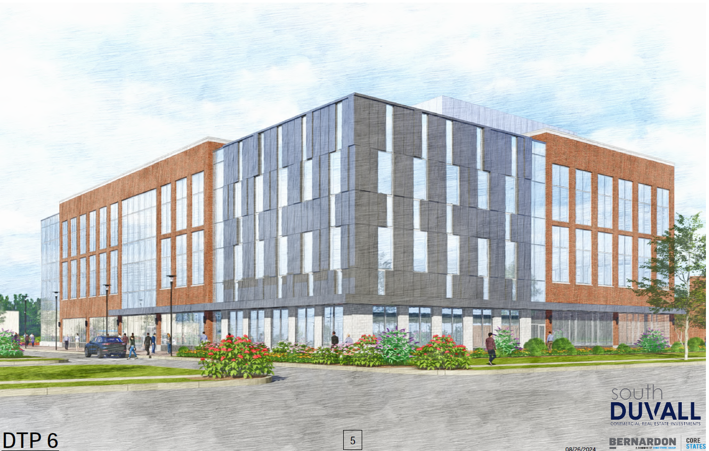
QPS will expand into a newly constructed building at 6 Innovation Way in Delaware Technology Park.

QPS is a founding member of the Delaware Bioscience Association and has actively participated in numerous programs and activities within the statewide biotech and pharmaceutical community, particularly those in education and technology innovation. These include collaborating with the University of Delaware to recruit new graduates and establish internship programs.

Delaware Prosperity Partnership (DPP) has worked with QPS officials over the last year to explore locations and possibilities for the company’s growth. Today, DPP supported QPS’s request to the state Council for Development Finance for a Graduated Lab Space Grant of up to $1.1 million and a Jobs Performance Grant of $162,000 from the Delaware Strategic Fund. Distribution of these grant monies is dependent on the company meeting commitments as outlined to the CDF, which reviewed and approved QPS’s request.

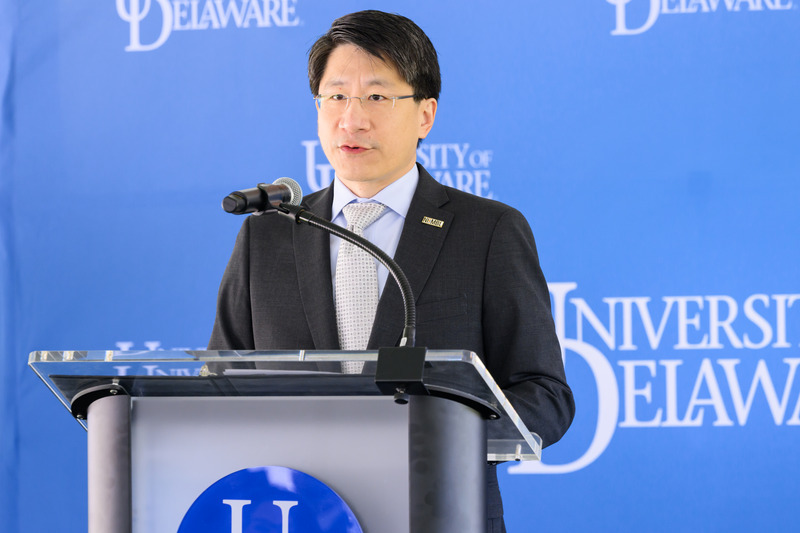
“This expansion project in Delaware Technology Park, Newark, Delaware, is strategically important to QPS’s businesses,” said Ben Hsu, Chief Administrative Officer of QPS Holdings, LLC. “It will significantly expand QPS’s capacity to serve our clients in both Lab Services and Clinical Services globally.”

Newsletter Sign Up

Stay Up To Date With Delaware

Continue reading

Synnovation Chooses to Expand in Delaware

Homegrown precision cancer treatment firm chooses Delaware for workforce expansion

Becky Harrington of Delaware Prosperity Partnership (DPP), Noah Olson of DPP, Paul Trower of Synnovation Therapeutics, Wenqing Yao of Synnovation Therapeutics, state Senator Nicole Poore of the Council on Development Finance (CDF) and Erica Crell of DPP following the January 27 meeting of the CDF.

Synnovation Therapeutics will add more than 40 new jobs at its current site in Wilmington-area Innovation Space


January 29, 2025

A small Delaware-founded business in the precision oncology sector has chosen to grow in Delaware with plans to more than double its current workforce.

Synnovation Therapeutics plans to create more than 40 new jobs to support its work to transform cancer treatment through the discovery and development of targeted small-molecule therapies. Since its 2021 founding by one of Incyte’s founding scientists, the company has operated at The Innovation Space just outside the City of Wilmington and steadily increased the size of its workforce.

The company aims to expand its team to 70-plus skilled professionals by creating 44 full-time jobs in Delaware through 2026. Positions will include chemists and other scientists along with operations, management and administrative personnel, each of whom will earn $100,000 or more annually.

Since its launch, Synnovation has rapidly advanced its portfolio of targeted oncology molecules. As a result, the company has positioned itself as a leader in innovative, patient-focused precision medicine that addresses significant unmet needs and improves patient outcomes.

Synnovation’s work also has enhanced Delaware’s reputation as a leader in life sciences innovation. The company’s precision oncology focus also aligns with the U.S. Economic Development Administration Regional Technology and Innovation Hub designation of the Delaware-including Philadelphia region as a center for excellence in precision medicine.

“New Castle County has long been a hub of innovation and success in the pharmaceutical industry,” said New Castle County Executive Marcus Henry. “We are thrilled to support a thriving and dynamic ecosystem of large, medium and small businesses throughout the community.”

Delaware Prosperity Partnership has engaged with Synnovation to discuss the company’s growth and talent acquisition plans since 2022. On Monday, DPP supported the company’s request to the state Council on Development Finance for a Jobs Performance Grant of up to $438,000 from the Delaware Strategic Fund. Distribution of these grant monies is dependent on the company meeting commitments as outlined to the CDF, which reviewed and recommended Synnovation’s request.

“We look forward to our continued growth in Delaware and sincerely appreciate the state’s support of the innovation that drives our pursuit of improving outcomes for cancer patients,” said Synnovation CEO and Founder Wenqing Yao. “Delaware’s strong commitment to building a robust biotechnology ecosystem in the greater Wilmington area was a key factor in our decision to expand here.”

###

About Delaware Prosperity Partnership

Delaware Prosperity Partnership is the nonprofit public/private organization that leads Delaware’s statewide economic development efforts to attract, grow and retain businesses; build a stronger entrepreneurial and innovation ecosystem; and support private employers in identifying, recruiting and developing talent. Collaborating with partners throughout the state since its creation in 2017, DPP has supported 76 location and expansion projects that account for more than $2 billion in projected capital investment and more than 10,000 new and retained jobs.

About Synnovation Therapeutics

Synnovation is dedicated to the discovery and development of best-in-class therapeutics that can improve the lives of patients. Leveraging deep expertise in biology and a world-class medicinal chemistry team, the company is building a diverse pipeline of novel small-molecule targeted therapies. Synnovation’s mission is to efficiently advance these agents into clinical trials with the goal of transforming care through patient-focused precision medicine.

Newsletter Sign Up

Stay Up To Date With Delaware
Continue reading

Startup302 Accepting Entries Jan. 2 to 28

Delaware’s 5th annual Startup302 funding contest accepting entries January 2 to 28

Ventures with underrepresented founders can win share of over $100,000 in grants, mentoring and connections


December 20, 2024

Applications for Delaware’s fifth annual Startup302 funding competition will be accepted January 2 through 28 from technology-enabled startups with high-growth potential and at least one founding team member from an underrepresented group. Prizes include cash grants from a pool of over $100,000 along with mentorship opportunities and connections with potential investors and key influencers.

Coordinated by Delaware Prosperity Partnership and innovation-supporting partners from throughout the Delaware business community and beyond, Startup302 launched in 2020 and has provided $800,000 in funding to 52 ventures since 2021. This year’s categories of FinTech, Life Sciences, and Environmental Impact reflect Delaware’s evolving innovation and industry landscape.

Startups must be tech-enabled with at least one founder from an underrepresented group: women; people of color, including African Americans, Latin Americans and Native Americans; and members of the LGBTQ+ community – all groups whose ventures are underinvested in relative to their demographic’s percentage of overall United States population. Because Startup302 seeks to foster diverse perspectives, promote inclusive and equitable consideration and attract diverse communities of founders to the region, startups don’t have to be Delaware-based to enter. Thanks to sponsors, there is no charge to enter.

“Providing access to key funding and facilitators who can make a difference in their development is a vital part of helping startups realize their potential,” said DPP Director of Innovation Noah Olson. “Startup302 strengthens Delaware’s innovation ecosystem by providing this access to entrepreneurs seeking financial and networking boosts for their businesses.”

This year’s competitors will be chosen from applicants in the Delaware business community who enter by the January 26 deadline. After going through multiple rounds of consideration, finalists will be notified of their status on March 17. The finals for each of the three categories will take place in person during a different industry event taking place in Wilmington. Winners will be announced at the conclusion of each day’s competition.

This year’s Startup302 prize sponsors include the Delaware Division of Small Business, Discover Bank, DuPont, FMC, M&T Bank, Highmark Delaware, JPMorganChase, Delaware Biotechnology Institute, The Mill, Bronze Valley VentureLab and University of Delaware Horn Entrepreneurship. Additional sponsorship opportunities are available.

Organizing partners include the Innovation Space, Chartline Capital Partners, CAFÉ (Center for Accelerating Financial Equity), the Delaware Small Business Development Center, the Delaware Bioscience Association, the Delaware Sustainable Chemistry Alliance (DESCA), The Emerging Enterprise Center, the Pete DuPont Freedom Foundation, the Women’s Business Center at True Access Capital and World Trade Center Delaware.

An online information session for prospective entrants was recorded December 1 and is available for prospective applicants to review at startup302.org. The video answers frequently asked questions regarding the competition’s requirements and judging criteria and includes commentary from 2024 winner Megan Pillsbury of Dunya Analytics.

Full contest details and the application also are at startup302.org. Additional questions may be directed to DPP Innovation Manager Erica Crell at ecrell@choosedelaware.com.

Newsletter Sign Up

Stay Up To Date With Delaware
Continue reading

DPP Signs MOU with UK’s Port of Blyth

DPP Signs Memorandum of Understanding with UK Port to Further Innovation, Market Growth

Port of Blyth CEO Martin Lawlor, left, and Delaware Prosperity Partnership Global Advisor David Smallman sign the five-year memorandum of understanding at the Port of Blyth offices in Northumberland, England.

Partnership aims to support economic development and growth of energy transition opportunities in both regions


November 4, 2024

Delaware Prosperity Partnership (DPP), the lead statewide economic development organization for Delaware, and the Port of Blyth (PoB), a leading offshore energy base in the North East of England, have signed a cooperative agreement to leverage the strengths of both organizations to foster innovation, facilitate market expansion and enhance workforce capabilities in both Delaware and Blyth.

The five-year memorandum of understanding (MOU) outlines areas of action for a partnership that will enhance the visibility of both DPP and the Port of Blyth while also supporting economic growth for Delaware and the North East of England. The agreement, which was signed in Northumberland, England, aims to drive mutual benefits through potential economic development, knowledge sharing, promotion and consulting services.

Created in 2017, Delaware Prosperity Partnership is the nonprofit public/private organization that leads Delaware’s statewide economic development efforts to attract, grow and retain businesses; build a stronger entrepreneurial and innovation ecosystem; and support private employers in identifying, recruiting and developing talent.

Located on the East Coast of the UK, the Port of Blyth is a leading offshore energy support base, an important hub for the movement of a range of project, containerized, dry bulk and break-bulk cargoes as well as a key location for offshore decommissioning. The Port is a single day’s drive from all mainland UK destinations and is used as a strategic hub by shippers serving Northern England and Scotland.

“The Port of Blyth is one of the leading ports in the world that really know how to handle companies in the energy transition space, and DPP is eager to tap into its expertise,” said Kurt Foreman, President and CEO of DPP, who attended the signing virtually. “Formalizing our cross-Atlantic relationship will allow DPP to leverage the port’s considerable capabilities and experience and enhance our ability to assist companies from Delaware and abroad, build further connections and, where possible, aid in creating more jobs and more revenue both here and overseas.”

Representing DPP at the signing on-site was DPP Global Advisor David Smallman, who worked with DPP Director of Innovation Noah Olson – who also attended virtually – to craft the agreement. Representing the Port of Blyth was PoB CEO Martin Lawlor.

“We look forward to working together with DPP to share best practices and explore new markets,” said Lawlor. “The signing of the MOU reflects a strong commitment to building a collaborative framework that prioritizes mutual benefits, innovation, and sustainable growth for both the Port of Blyth and DPP.”

North East England includes Northumberland, County Durham and Tyne and Wear. The Port of Blyth has a strategic central location on the east coast of the UK and is well placed for offshore wind-related opportunities in the North Sea and beyond.

DPP has a longstanding relationship with the region and the organizations that support its business community. DPP previously had signed an MOU with the former North East Local Enterprise Partnership in Newcastle Upon Tyne.

Newsletter Sign Up

Stay Up To Date With Delaware

Continue reading

Advancing Precision and Predictive Medicine: Delaware’s Role in Two EDA Designated Tech Hubs

Delaware Innovative Environment Helps Businesses Thrive

Delaware’s strategic location and robust life sciences ecosystem play a pivotal role in two major tech hubs designated in 2023: the PROPEL Tech Hub in Philadelphia for precision medicine and the Baltimore Tech Hub for predictive medicine. Regional Technology and Innovation Hubs (tech hubs), as designated by the U.S. Economic Development Administration (EDA), signal a strong endorsement of a region’s plan to become a global leader in a critical technology ecosystem over the next decade. A key member of the Philadelphia PROPEL Tech Hub and adjacent to the Baltimore Tech Hub, Delaware features an innovative life sciences ecosystem as well as a fundamental commitment to building partnerships between industry, academia, and government. 

Delaware’s Involvement in the PROPEL Tech Hub 

The PROPEL Tech Hub, anchored in Philadelphia and organized by the Benjamin Franklin Technology Partners of Southeastern Pennsylvania, aims to accelerate the development and implementation of precision medicine solutions by leveraging robotics, artificial intelligence (AI), machine learning (ML), data processing, and other cutting-edge technologies. Delaware emerges as a key player in this initiative through the active involvement of leading tech entrepreneurs, incubators, and advocates, including the Delaware Innovation Space, the Tech Council of Delaware, the University of Delaware, Delaware State University, the National Institute for Innovation in Manufacturing Biopharmaceuticals (NIIMBL), Zipcode Wilmington, and more. 

Central components of the tech hub led wholly or in part by Delaware companies and institutions include workforce development, biomanufacturing, and entrepreneurship. These efforts highlight the strength of Delaware’s life sciences and biotech ecosystem. The Tech Council of Delaware, in partnership with Philadelphia Works, will continue initiatives in workforce development, aiming to expand regional biotech training programs to reach a diverse, skilled workforce. NIIMBL and the University of Delaware will spearhead the biomanufacturing component of the PROPEL Tech Hub, focusing on increasing the capacity of training programs, advancing technologies, and improving speed-to-market in the sector. For entrepreneurship, the Delaware Innovation Space and the Ben Franklin Technology Partners will accelerate the commercialization of new technologies and expand founder, corporate, and venture networks. 

Delaware’s Role in the Baltimore Tech Hub 

The Baltimore Tech Hub focuses on combining biotechnology with AI and ML to create predictive medicine solutions, aiming to transform healthcare by accelerating the commercialization of precision healthcare technologies. While Delaware is not officially a partner in the Baltimore Tech Hub, its proximity to Baltimore and wealth of innovation resources can support the hub’s entrepreneurship and commercialization efforts. Delaware offers access to capital, lab space, and mentorship programs, providing startups and entrepreneurs with valuable opportunities to develop and test innovative products. Additionally, Delaware’s highly skilled life sciences workforce offers a significant advantage for companies and institutions in the Baltimore Tech Hub, positioning them for success from the start. 

Leading the Way as a New U.S. Tech Hub

Delaware’s distinct contributions in the PROPEL Tech Hub in Philadelphia and its proximity to exciting developments in the Baltimore Tech Hubs underscores the state’s substantial biotechnology and life sciences ecosystem. By leveraging its strengths in workforce development, biomanufacturing, and entrepreneurship, Delaware not only enhances regional collaborations but also positions itself as a critical player in the future of healthcare innovation. This integrated approach promises to deliver groundbreaking solutions that improve health outcomes and drive economic growth, benefiting the entire region and beyond. 

Newsletter Sign Up

Stay Up To Date With Delaware
Continue reading

The Blue Economy in Delaware Opens Doors for Opportunities

June 24, 2024

The coastal regions of Delaware represent significant drivers of economic growth in maritime industries, including blue tech and tourism. As the lowest-lying elevation state in the country, Delaware has unparalleled access to a variety of water bodies as well as the ability to address key issues around climate change and coastal resilience to open up doors for the blue economy in Delaware. From the estuaries and salt marshes of the Delaware River and Bay to the shores of the Atlantic Ocean, the Blue Economy in Delaware continues to innovate and expand.

Blue Tech Innovation

The Blue Economy can refer to multiple ideas, including economic activity related to the ocean or marine-driven projects focused on sustainability and resilience. In Delaware, key advancements in the Blue Economy revolve around blue tech like ocean robotics, offshore wind, and aquaculture. A major component supporting innovation in these fields stems from Project Align, Build, Leverage, and Expand (Project ABLE), a workforce development initiative at the University of Delaware (UD) in support of advancing the Blue Economy.

While Delaware’s unique geographic and oceanographic characteristics provide the foundation for advancements in blue tech, it’s the collaborative commitment between academia, industry, and government that provides the framework to support advancements in blue tech. For example, University of Delaware’s (UD) operates a fleet of research vessels that facilitate research not only for faculty, students, and scientists, but also government agencies and private industry across the country. Additionally, UD’s Robotic Discovery Laboratories at the campus in Lewes support the advancement of underwater robotics with seven robots housed in the labs.

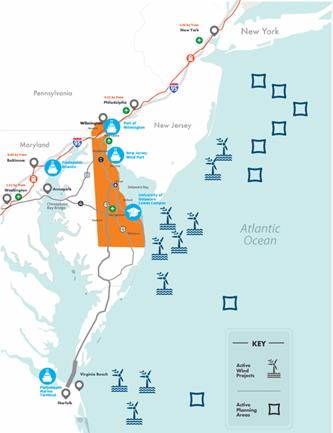
Aquaculture and offshore wind also make up a significant portion of Delaware’s blue economy. Delaware Sea Grant, another UD initiative, works in numerous inland bays to enhance shellfish aquaculture, supporting local oyster farmers and cultivating a sustainable food source as well as improving water quality due to the oysters natural filtration ability. In terms of offshore wind, UD is again on the frontlines, partnering with a Delaware Technical Community College to create an offshore wind training initiative to prepare students with the prerequisite safety skills to enter the industry. Delaware sits near multiple offshore wind projects from New Jersey to Virginia that are under development, and the state is also within driving distance of three ports integral to the assembly of offshore wind turbines.

Tourism and the Culinary Coast

The innovations and advancements in blue tech are not the only thing cooking on Delaware’s coast and supporting economic growth. In Sussex County, locals and tourists alike can indulge in the Culinary Coast: “Life tastes better here”. The Culinary Coast refers to a region encompassing all southern Delaware, from the pastoral landscapes of Greenwood to the lively boardwalk and beaches in Rehoboth. Reflecting its agricultural roots, the region features exceptional restaurants with world-class chefs, such as past James Beard-nominated restaurants Heirloom and One Coastal, that focus on locally-grown, farm-to-table produce and seafood. Not only does the reputation of the Culinary Coast reflect its economic impact, but it also exemplifies the quality of life in Delaware.

In addition to the fantastic food, the coastal areas of Delaware continue to draw thousands of people each year to its stunning beaches. The pristine sands and clear waters of Rehoboth Beach, Bethany Beach, and Cape Henlopen not only provide a picturesque escape for tourists but also serve as significant economic drivers for the region. These beaches are hubs of activity, offering a blend of family-friendly attractions, vibrant boardwalks, and a plethora of recreational activities that boost local businesses. Not just a seasonal beach town, a growing number of residents stay year-round down the shore, supporting a wide range of enterprises from hospitality to retail, and spurring investment in infrastructure and real estate. The thriving beach economy fosters job creation, contributes to the state’s revenue through tourism taxes, and enhances Delaware’s appeal as a prime destination for both relaxation and business opportunities.

Maritime Economy Grows Opportunities

In conclusion, Delaware’s coastal regions are not just picturesque vacation spots but pivotal economic engines driving growth and innovation. From the cutting-edge developments in blue tech and sustainable aquaculture to the bustling tourism and culinary delights of the Culinary Coast, the state leverages its unique geographic and oceanographic advantages to foster a robust Blue Economy. Collaborative efforts between academia, industry, and government play a crucial role in supporting these advancements, ensuring Delaware remains at the forefront of maritime innovation and resilience. As Delaware continues to attract visitors with its stunning beaches and exceptional food, the economic benefits extend well beyond tourism, creating a dynamic and thriving coastal economy that supports local businesses, generates jobs, and enhances the overall quality of life in the state.

Learn more about delaware happenings

Newsletter Sign Up

Stay Up To Date With Delaware

Continue reading

Startup302 Recognizes 15 Ventures

Fourth Startup302 Pitch Competition Awards Grants, Prizes to 15 Ventures with Underrepresented Founders

Funding, connections and other resources provided to winning tech-enabled startups led by members of underfunded groups


May 28, 2024

WILMINGTON, Del. – Fifteen tech-enabled startups with at least one team member from an underfunded demographic are sharing $170,000 in nondilutive, nonrestricted grant monies from Delaware’s fourth Startup302 competition, which was coordinated by Delaware Prosperity Partnership (DPP) and partners from throughout Delaware and beyond.

Companies competed in five categories and represented multiple industries in the live pitching round, which took place May 16 at Delaware Art Museum in Wilmington, Delaware. All three finalists in each category were awarded as follows:

Delaware Impact

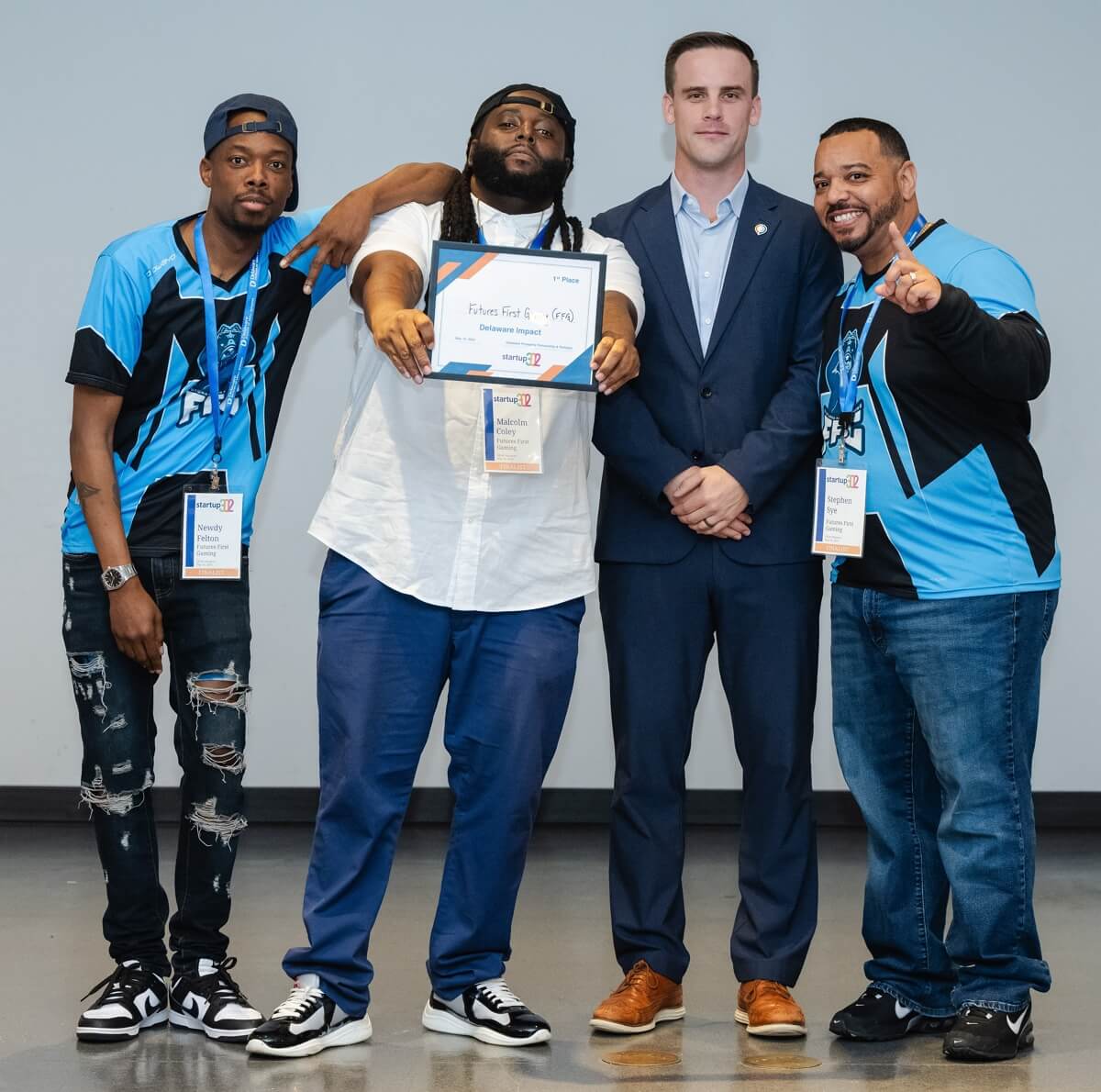
  • 1st: Futures First Gaming (Wilmington, Delaware) – $20,000 plus a one-year membership to World Trade Center Delaware and a marketing consultation with Aloysius, Butler & Clark
  • 2nd: The LeGrand Company (Hockessin, Delaware) – $10,000 plus a one-year membership to World Trade Center Delaware
  • 3rd: Tri-State 3D Tech & Design Firm (Wilmington, Delaware) – $5,000 plus a one-year membership to World Trade Center Delaware


Early Stage

  • 1st: Inclusion Unpacked (New York, New York) – $9,500 plus a marketing consultation with Aloysius, Butler & Clark
  • 2nd: HouseCall VR (Wilmington, Delaware) – $6,500 plus a one-year membership to World Trade Center Delaware
  • 3rd: Kazi Konekt (Atlanta, Georgia) – $4,000


Environmental Impact

Environmental Impact

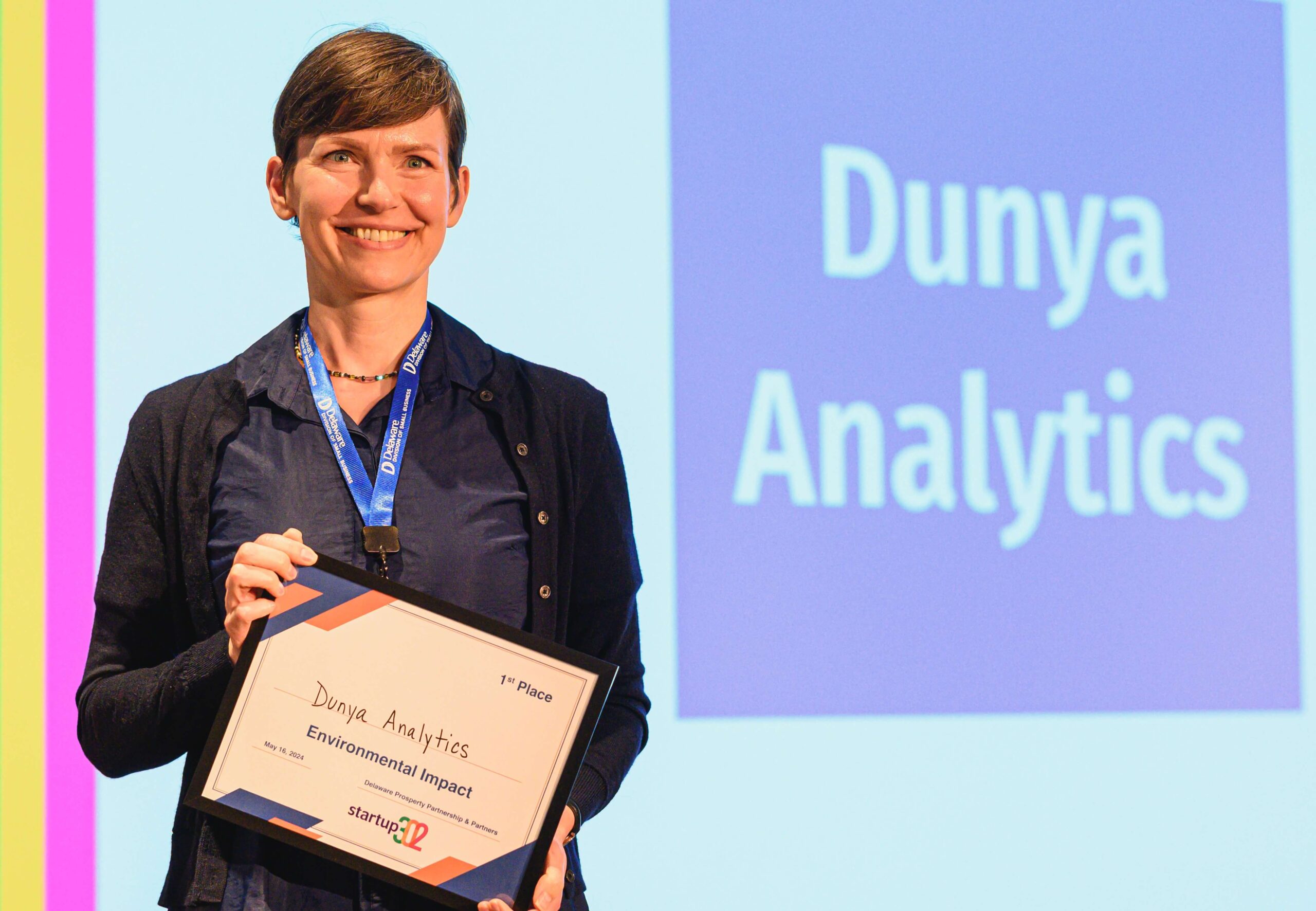
  • 1st: Dunya Analytics (Wilmington, Delaware) – $20,000 plus a one-year membership to World Trade Center Delaware and a marketing consultation with Aloysius, Butler & Clark
  • 2nd: Baleena (Philadelphia, Pennsylvania) – $10,000
  • 3rd: Sundial Foods (Albany, California) – $5,000


FinTech

FinTech

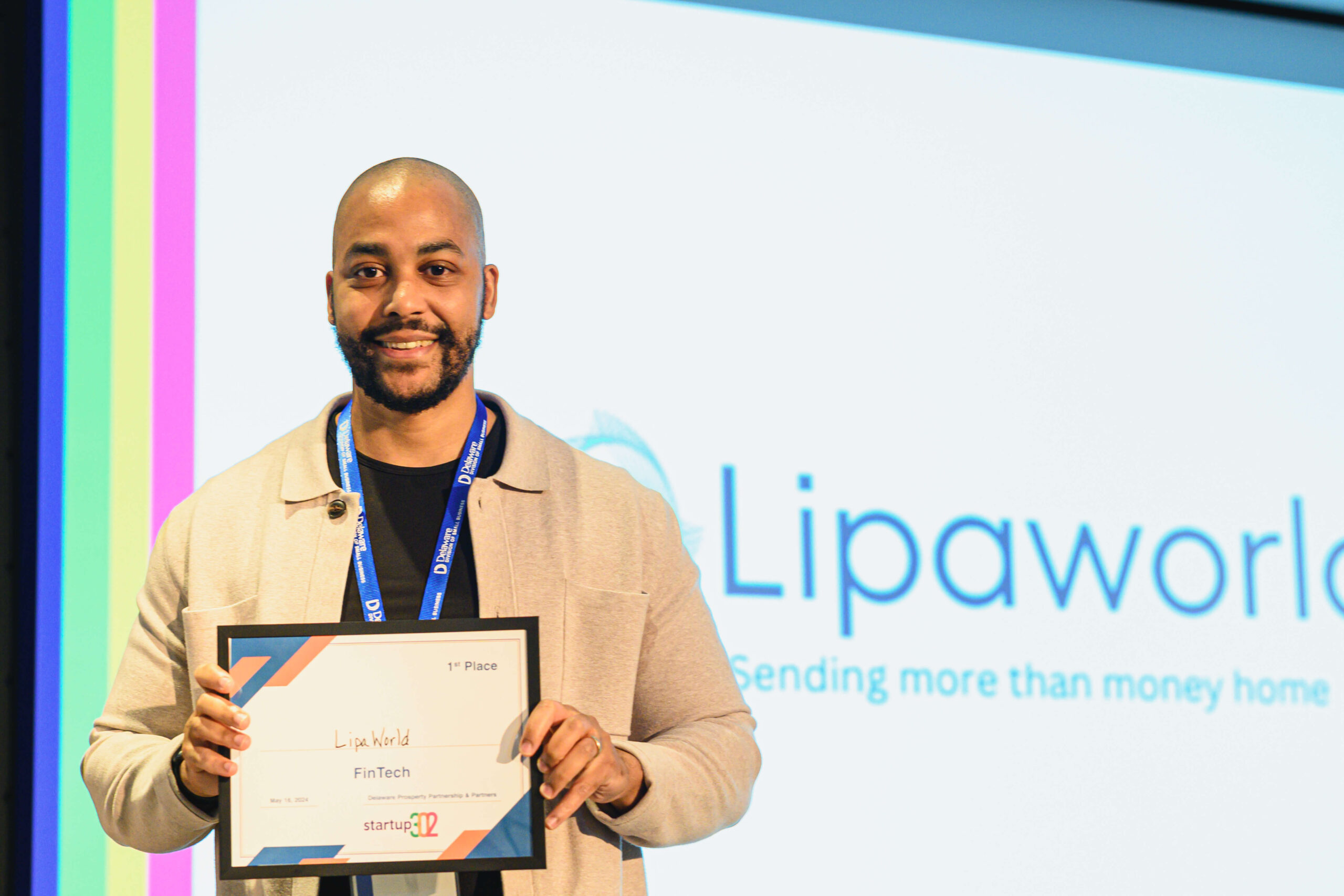
  • 1st: Lipaworld (New York, New York) – $20,000 plus a marketing consultation with Aloysius, Butler & Clark
  • 2nd: Sharely (Fort Myers, Florida) – $10,000
  • 3rd: Instarails (Alpharetta, Georgia) – $5,000


Life Sciences

Life Sciences

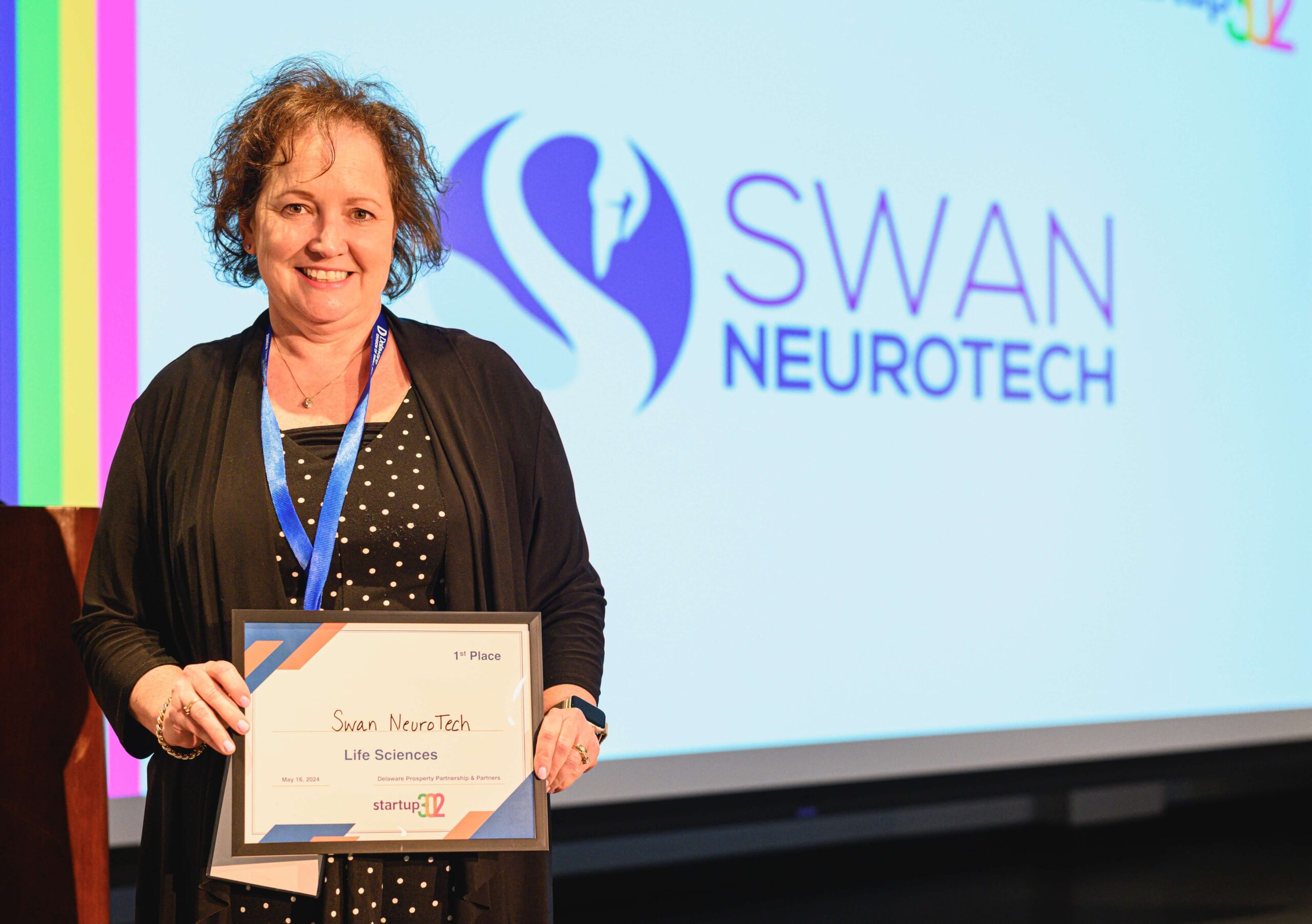
  • 1st: Swan NeuroTech (Pittsburgh, Pennsylvania) – $20,000 plus a marketing consultation with Aloysius, Butler & Clark
  • 2nd: BioLattice (Philadelphia, Pennsylvania) – $10,000
  • 3rd: Graftable (Philadelphia, Pennsylvania) – $5,000


Finalists with University of Delaware-affiliated founders also were considered for the Blue Hen Prize, which was sponsored by the University of Delaware’s Horn Entrepreneurship program:

  • 1st: Dunya Analytics (Wilmington, Delaware) – $7,500
  • 2nd: The LeGrand Company (Hockessin, Delaware) – $2,500

In addition to the finals-day activities, competitors benefited from participation in educational networking events with potential advisees and funders. These included a welcome reception on May 15 and a breakfast with investors on May 17.

“We’re so grateful for the ongoing support from sponsors and community members for this exciting competition, and, as usual, we were extremely impressed by the quality of the startups who made it to the finals,” said DPP Director of Innovation Noah Olson. “Startup 302’s mission to support founders from underrepresented backgrounds is such an important one, and this year’s finalists not only further enhance the wellspring of innovation developing in Delaware but offer technologies and solutions that truly will make the world a better place.”

Startup302 launched in 2020 and is coordinated by DPP and partners from the local, regional and national innovation and entrepreneurial ecosystems with an aim to foster diverse perspectives, promote inclusive and equitable consideration and attract diverse communities of founders to the region. Competing companies must be technology-based or tech-enabled with high-growth potential and at least one founding team member from an underrepresented group: women; people of color, including African Americans, Latin Americans and Native Americans; and members of the LGBTQ+ community – all of whose ventures are underinvested in relative to their demographic’s percentage of overall United States population. Including this year, Startup302 has awarded $813,000 in funding to 52 ventures since the first finals took place in 2021.

There is no charge for companies to enter. This year’s competition launched in December and attracted more than 100 applicants from throughout Delaware and across the United States as well as Mexico and two countries in Africa. Two preliminary rounds and a semi-final round, all conducted remotely, determined which ventures would compete in the final in-person round.

Finals day began with Michelle Harris, Delaware District director, Small Business Administration, giving the morning keynote address on how SBA assistance for small businesses helps boost the U.S. economy. Erika Lucas, founder of StitchCrew, gave the afternoon keynote “The Majority Economy: Economics of Why We Need to Invest in Diverse Founders.” Other speakers included Don Mell, executive director and site leader for the Delaware Market of J.P. Morgan Chase & Co., who discussed Chase’s new program to help with environmental impact, and Molly Giordano, executive director of Delaware Art Museum, who welcomed participants to the venue and invited them to view the exhibition “There is a Woman in Every Color.”

The educational panel discussion “Preparing for Funding” was moderated by Troy C. Farmer, owner of EVA Enterprises and manager of the Delaware Small Business Development Center’s Community Navigator Program. Panelists were Christine Parrish of Ardent Technology Solutions; RoseAnn B. Rosenthal of the First Fund; Marcie Reilly of The Innovation Space; and Blessy Thomas of Innovative Capital Growth Fund.

Judges for the finals included Regina Barry of Ashland; Jonathan Burbaum, Entrepreneur in Residence, The Innovation Space; Dora Cheatham of First State Hydrogen; Cynthia Conway of Oakwise Marketing; Daniel Freeman of Horn Entrepreneurship; Christine Galib of Venture University Venture Partners; Juliana Green of FMC Ventures; Elyce Hall of the Small Business Development Center; Martin Hunt of Swanlaab USA Ventures; Anastasia Jackson of the Delaware Division of Small Business; Nicholas Moriello of Highmark; Dwayne Parker of Highmark; Janet Reed of Potter Anderson; Luz A. Sellers of the Women’s Business Center at True Access Capital; Billy Taki of ResilienceVC; Amy Walls of Discover Bank; Troy Wilford of Horn Entrepreneurship; and Laura Wisler of the Delaware Division of Small Business.

Judges for the preliminaries and semi-finals included Nathaniel Brese of DuPont; Desa Burton of ZipCode Wilmington; Leopoldo Carbajal of DuPont; Cora Castle of OmniPotential Energy; Ryan Hamilton of Ashland; Ellyn Herbert of the Small Business Administration; Lisa Hoffman of FMC; Garry Johnson III of First Founders; Katie Lakofsky of the Delaware BioScience Association; Jeff Meth of DuPont; Michael Mills of DuPont; Pedro Moore, Fintech Incubator/True Access Capital mentor; Liz Nutting of Discover Bank; Dwayne Parker of Highmark; Mike Rinkunas of Flying Pig Ventures; Maggie Schano of Highmark; Lori Sefton of the University of Maryland; Jeff Snellberg of Pennsylvania Angel Network; Lauren Swain of the Delaware Division of Small Business; Xavier Thomas of DuPont; Joe Zilcosky of the Delaware Division of Small Business; Deb Travers of The Innovation Space; and Matthias Weber of Mighty Capital.

Pitch sessions were moderated by steering committee members Alysse Bortolotto of the New Castle County Chamber of Commerce; Troy Farmer of EVA Enterprises; Cathy Holloway of the Emerging Enterprise Center; Ayanna Khan of the Delaware Black Chamber of Commerce; and Marcie Reilly of The Innovation Space. Other steering committee members included Salaika Adams of the Women’s Business Center at True Access Capital; Daniel Anzueto of StartOut; Sara Crawford of Sara Crawford, Consultant; Emiliano Espinosa of the Chesapeake Agriculture Innovation Center; Sarah Mailloux of the Small Business Development Center; Darren Stephenson of Bronze Valley Gener8tor; Linda Walck of Horn Entrepreneurship; and Troy Wilford of Horn Entrepreneurship.

Sponsors included the Delaware Division of Small Business (Innovator Level); Discover Bank (Business+ Level); Chase (Supporter+ Level); DuPont, FMC, Highmark Delaware and the University of Delaware Horn Entrepreneurship Program (Supporter Level); Ashland, Bronze Valley VentureLab, Delaware Small Business Development Center Community Navigator, The Innovation Space, M&T Bank and Potter Anderson (Basic Level); and Aloysius Butler & Clark , Delaware Art Museum, Delaware Limo, Delaware Small Business Development Center, Hyatt Place Wilmington Riverfront, StartOut, True Access Capital Women’s Business Center and World Trade Center Delaware (In-Kind Level).

“DPP and its partners are excited to showcase these amazing companies and to help give them exposure, connections and a monetary boost to keep them moving forward on their entrepreneurial journey,” said DPP Innovation Manager Erica Crell. “We thank our sponsors and all of those who help bring this program to life and allow it to continue successfully impacting underrepresented members of the startup community.”

Descriptions of each competing company and biographies for the speakers and other participants are available in the Startup302 program booklet.

Newsletter Sign Up

Stay Up To Date With Delaware

Continue reading

UD Hosts SABRE Center Groundbreaking

Focused on the Future

University of Delaware leadership, members of the UD Board of Trustees and elected officials break ground for the SABRE Center on UD’s STAR Campus.

UD marks milestone with SABRE Center groundbreaking


Article by Karen B. Roberts
Photos by Evan Krape

April 26, 2024

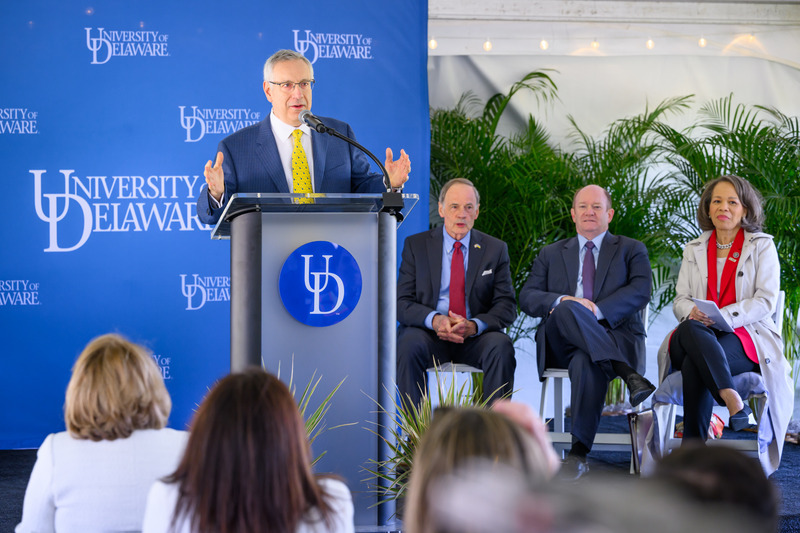
University of Delaware leaders, Delaware’s Congressional delegation and members of the life sciences industry gathered Monday, April 22, to mark the next chapter in the development of the Securing American Biomanufacturing Research and Education (SABRE) Center.

Despite the chilly breeze, there were smiles all around at the event, held on the University’s Science, Technology and Advanced Research (STAR) Campus.

The groundbreaking kicks off the construction phase of the SABRE Center, a pilot scale biopharmaceutical manufacturing facility that will sit adjacent to the National Institute for Innovation in Manufacturing Biopharmaceuticals (NIIMBL), which is housed in UD’s Ammon Pinizzotto Biopharmaceutical Innovation Center. The SABRE Center will complement the biopharmaceutical research and development activities of NIIMBL and the larger biopharmaceutical industry in Delaware and the broader region.

The project is supported with federal and state funding and directly aligns with the State of Delaware’s priority of economic growth in the biopharmaceutical industry, and the larger life sciences sector. Together, SABRE and NIIMBL will provide Delaware with a unique position in the region of having resources to support research and development, pilot scale production and workforce training.

While still in the design phase, the SABRE Center is envisioned as a place to scale up and mature manufacturing innovations and technologies that are essential to ensuring broad access to novel biopharmaceutical medicines. It also is viewed as a place to design, develop and disseminate best practices and workforce training programs for people who want to develop the skills necessary to work in a biomanufacturing environment.

“I personally believe that the SABRE Center is going to mark an inflection point in our national competitiveness in this advanced manufacturing industry and to our resilience in the face of future public health threats,” said Kelvin Lee, UD interim vice president for research, scholarship and innovation and NIIMBL director, in opening remarks. “I also believe that the SABRE Center marks our local region’s journey moving from having a strong biotech community to ultimately being recognized as a home to a vibrant industrial ecosystem.”

UD President Dennis Assanis thanked the Congressional delegation and other dignitaries in the audience for their contributions to UD and the instrumental role they have played in fostering the biopharmaceutical ecosystem in Delaware. Groundbreaking ceremonies, he added, signal hope and the promise of new endeavors and exciting achievements to come, from the development and manufacturing of new products that can save lives and advance wellness to the creation of new manufacturing jobs that don’t yet exist.

“Through the SABRE Center, NIIMBL and many other public and private entities in the life science industry, Delaware is well on its way to becoming a unique and vibrant hub for biopharma research and manufacturing … a place where brilliant ideas become realities,” Assanis said.

UD President Dennis Assanis, joined by Delaware’s Congressional delegation, addresses UD leaders, members of the life sciences industry and other guests.

20 years in the making

Delaware’s strategic investment into the life sciences sector began about two decades ago, with the recruitment of private-sector investment to the state and higher education institutions with the goal of establishing a biotech community. One early outcome of that strategy was the formation of the Delaware Biotechnology Institute.

U.S. Sen. Tom Carper reflected on the bold and promising new direction that is developing on the STAR Campus to provide access to medicines and biopharmaceuticals that can help people lead healthier lives.

“Today’s groundbreaking builds upon all the years of work that have gone into transforming the once-shuttered Chrysler plant into the research and development hub it is today,” Carper said. “This facility will be a training center for our future biopharmaceutical workforce, as well as a testing center for biopharma companies to test their products in an FDA-regulated environment — giving us a competitive advantage to attract companies and researchers to the First State. I’m so proud of the different ways Delaware is continuing to be a force in R&D. Here, we have a vibrant research community at the University of Delaware, especially in the life sciences, thanks in large part to the Delaware Biotechnology Institute. This has served as a great model for collaboration among education, and the private and public sector.”

In 2017, UD launched NIIMBL, a national-scale public-private partnership focused on biopharmaceutical manufacturing and innovation to advance new technologies, to secure domestic supply chains and to train the biomanufacturing workforce.

A passionate advocate for economic growth, social justice and innovation, U.S. Sen. Chris Coons remarked on the more than 200 companies that are part of NIIMBL and the over $230 million in federal investment that already has been devoted to creating a biopharmaceutical ecosystem and the additional $350 million in private sector co-investment.

“But the potential is far greater. We’re about to do a groundbreaking for what is the next phase of this project. It’s not a manufacturing facility, but a test bed, a place where the new techniques of manufacturing are going to be tried out, proven out and demonstrated,” Coons said. “Spinning out from that will be a remarkable next generation of opportunities for Delawareans to work in biotech and manufacturing, for companies to be launched here and regionally and for [Delaware] to continue to be not just regional or national but global leaders in innovation.”

Kelvin Lee, UD interim vice president for Research, Scholarship and Innovation and director of NIIMBL, said the SABRE Center will mark “an inflection point” in national competitiveness in the advanced manufacturing industry.

Turning vision into reality

U.S. Rep. Lisa Blunt Rochester, a leading voice on issues related to the economy and the future of work, pointed to the SABRE Center’s planned 70,000 square feet of research space and modern technology that will one day train Delaware workers in manufacturing biopharmaceuticals.

“This is about turning vision into reality for our health, our economy and our future,” Blunt Rochester said. “It’s about safety and effectiveness. It is about the jobs of today and [the jobs] of the future. It’s about strengthening our supply chains.”

The need to create more domestic capacity for manufacturing is a reality that came into sharp focus during the coronavirus pandemic. Bringing lifesaving technologies and products to market is challenging. It requires infrastructure, investment and intentionality. Collaboration is key. These activities can be bolstered by marrying academia with the private and public sectors, Blunt Rochester said.

Designed as a current Good Manufacturing Practices (cGMP) environment, the SABRE Center will serve as both a testbed for new technologies and a hands-on training facility on STAR Campus, helping to bring lifesaving or life-enhancing medicines and vaccines to scale and ultimately into the market. In this way, the SABRE Center will support the innovation and R&D happening at NIIMBL, while filling the gap between developing new technology in a lab setting and commercializing it in a full-scale manufacturing facility.

“SABRE exemplifies the power of state and federal investments that support jobs and nurture innovation. This project, located right in a bioscience ecosystem, supports the First State’s student pipeline and ever-growing biopharmaceutical workforce,” added Lt. Governor Bethany Hall-Long, the state of Delaware’s representative on NIIMBL and a professor of nursing at UD. “I’m competitive, so I want Delaware to excel regionally, be a destination and provide the best quality of life for our residents. SABRE is a solution to sustain and create jobs for the state as well as respond to industry and global challenges. As a research scientist and STEM champion, this is a big deal.”

Additionally, the UD STAR Campus’ location along the I-95 corridor and proximity to other biopharmaceutical activity nearby from New York to Greater Washington, D.C., is a tremendous opportunity for Delaware to add capacity in a key location along the East Coast.

Delaware Gov. John Carney, who was unable to attend the groundbreaking, is a long-standing champion of UD research and helped to secure funding support for the SABRE Center and NIIMBL, among other projects. In a statement, Carney illustrated the value of supporting such programs and the partnerships and collaboration necessary to bring them to fruition.

“Our partnerships with institutions of higher education have never been more important,” Carney said. “We need to support programs that build the future workforce and encourage businesses to land and grow in the First State. SABRE will complement the nationally recognized work in biosciences happening at NIIMBL and the University of Delaware. I look forward to SABRE’s contribution in Delaware’s science and technology sector.”

This article was originally posted on the University of Delaware website at: https://www.udel.edu/udaily/2024/april/biopharmaceutical-manufacturing-research-education-center-sabre-niimbl/.

Newsletter Sign Up

Stay Up To Date With Delaware
Continue reading

PSI Will Expand in Newark, Delaware

Phase Sensitive Innovations Chooses Delaware for State-of-the-Art Lab, Manufacturing and R&D Expansion

DPP’s Erica Crell, Dr. Dennis Prather of PSI, DPP’s Noah Olson and Dr. Ahmed Sharkway of PSI following the April 22 CDF meeting.

Growth of veteran-owned, Newark-based company supports production of semiconductor components and other advanced technologies for DOD contracts and private-sector clients


WILMINGTON, Del. – Phase Sensitive Innovations – a veteran-owned, University of Delaware spinoff that specializes in radio-frequency components, devices and systems – has chosen to expand operations in its hometown of Newark, Delaware, to support its continued growth within the domestic defense and global semiconductor industries.

PSI will occupy an approximately 12,000-square-foot site along with its current 20,000-square-feet facility, both of which are located in Sandy Brae Industrial Park in Newark. Along with the physical expansion, PSI plans to expand staff from its current roster of 80 – all but three of whom are engineers – to more than 100 by the end of 2024 and add 30 to 40 more jobs in subsequent years

All of the new jobs will be highly skilled technical positions that provide a high degree of on-the-job training. PSI plans to continue recruiting locally from the University of Delaware and Delaware Technical Community College to fill these roles.

“It’s rewarding to see a Delaware-born company expand in its hometown, adding highly skilled jobs to our workforce and increasing manufacturing and lab space in Newark,” said Governor John Carney. “I’m pleased by Phase Sensitive Innovations’ work to recruit employees from our institutions of higher education. Those relationships and support from the Delaware Prosperity Partnership create a vibrant workforce and strengthen our economy in the First State.”

“I am thrilled Dr. Prather is going to continue expanding in Delaware,” said U.S. Senator Chris Coons. “Phase Sensitive Innovations is a remarkable innovative company that manufactures the next generation of technology which translates radio signals into optical signals in no small part because of their patent portfolio and great employees. Dr. Prather and his team of innovators have taken an incredible idea and turned it into a technology that is now contributing to the vibrancy of the Newark economy, the security of the United States and our global competitiveness. From my first meeting with Dennis in the basement of Evans Hall at UD, to my recent visit where I saw his facility in Newark bursting at the seams, PSI is one of the better examples of how strong IP, a great team of people and initial help from SBIRs and STTRs can help research move from the early development to rapidly scaling.”

PSI’s new state-of-the-art manufacturing facility will include more than 8,000 square feet of lab space and will focus on thin-film lithium niobate wafers and devices. This technology enables next-generation communications and radio frequency systems, and PSI is believed to be the only domestic supplier positioned to manufacture these items domestically. The expansion also will free up space in the original building that will be used to expand research and development operations.

PSI has received $110 million in ongoing Department of Defense contracts – extending across Army, Navy, Air Force and Office of the Undersecretary of Defense programs as well as related work with the National Air and Space Administration and the Department of Energy – and other transactional agreements since its founding in 2007. The company expects to book more than $20 million in additional contracts over the next year.

PSI also works directly with prime contractors and other commercial partners to manufacture state-of-the-industry photonic components. The company recently signed a transition agreement to manufacture and supply original equipment manufacturer components to a global leader in photonic components and aims to grow further in the commercial sector with advanced technologies for wireless communications, broadband, smart devices and other applications.

“Congratulations to Dennis Prather and the entire PSI team on the expansion of their facility in Newark,” said New Castle County Executive Matt Meyer. “It’s critical to Delaware’s job market to retain successful homegrown businesses and to ensure success by creating more high-paying jobs right here in our community.”

DPP has consulted with PSI for several years and worked with the company since mid-2023 to explore growth opportunities. DPP supported PSI’s request to the Council on Development Finance for a Jobs Performance Grant of up to $139,800 and a Graduated Lab Space Grant of up to $566,090 from the Delaware Strategic Fund. Distribution of these grants is dependent upon the company meeting commitments as outlined to the CDF, which reviewed and approved PSI’s request for up to $705,890 in total funding.

“Delaware is so well-placed – with a prime location in the Mid-Atlantic region – and it’s an untapped resource when it comes to technical talent,” said PSI President Dennis Prather, who is also a professor of electrical and computer engineering at the University of Delaware and a veteran of the U.S. Naval Reserve and who founded PSI with fellow faculty member Christopher Schuetz. “We are very grateful to the State of Delaware for supporting the expansion of our manufacturing facility, which will enable PSI to become a major provider of a key technology to the defense and commercial sectors for years to come.”

###

About Delaware Prosperity Partnership

Created in 2017, Delaware Prosperity Partnership (choosedelaware.com) is the nonprofit public/private organization that leads Delaware’s statewide economic development efforts to attract, grow and retain businesses; build a stronger entrepreneurial and innovation ecosystem; and support private employers in identifying, recruiting and developing talent. To learn more about manufacturing and research and development in Delaware click here.

About Phase Sensitive Innovations

Phase Sensitive Innovations (PSI) is a small, high-technology company specializing in radio-frequency (RF) photonic devices, components and systems, with a particular focus on the millimeter wave (mmW) region of the electromagnetic spectrum. PSI produces high-quality and high-performance RF photonic devices, components and systems with applications that include mmW imaging and wireless communications systems such as 5G/B5G cellular, communications, radar and vision enhancement markets.

Newsletter Sign Up

Stay Up To Date With Delaware
Continue reading

DSB Names Latest EDGE Grant Winners

Delaware Division of Small Business Selects 10 Winners in Latest Round of Statewide EDGE Grant Competition

Application period for next cycle of Encouraging Development, Growth and Expansion funding ends March 1


The Delaware Division of Small Business has recognized 10 small businesses as winners of the eighth round of the Encouraging Development, Growth and Expansion (EDGE) competition. Awardees in the latest round of the competition include a company looking to develop residential electric vehicle chargers, one developing an improved hand/arm prosthetic that’s easier to use, one developing an adapted mobility device for getting into bed and one looking to purchase cutting-edge computers and streaming equipment for its esports events and camps.

Governor John Carney, Deputy Secretary of State Kristopher Knight and Division of Small Business Director Regina Mitchell announced the grant recipients during an event on the site of one of the winning companies, Delaware Dynamix in Harbeson, Sussex County. All winners were selected from entries made during the Fall 2023 application round.

“Building a strong economy starts with supporting our small business community,” Carney said. “The EDGE Grant program provides young businesses with much-needed capital assistance that they may not have access to otherwise. I’m excited to see how this round of EDGE Grant recipients use this funding to grow their business.”

“Helping small businesses succeed in Delaware is so important to maintaining a healthy economy,” said Knight. “With the assistance of the EDGE Grants, the state is fostering innovation by giving them a much-needed financial boost to make their dreams become a reality.”

Businesses that are less than seven years old and employ no more than 10 full-time employees (or full-time equivalents) are eligible to apply. The grants are awarded through a competitive selection process, starting with a thorough internal review to select 16 finalists to pitch their proposals to an outside expert panel of judges. Ten companies are then selected for awards. Five STEM-based companies each receive up to $100,000 for eligible expenses while five Entrepreneur Class (non-STEM) businesses each receive up to $50,000.

“The EDGE competition allows our division to do what it was created to do – help small businesses start and grow,” said Mitchell. “The quality of the fall applications was so strong, so it made it more challenging to select the finalists. Each EDGE round continues to show progress in terms of the quality of submissions.”

The first EDGE Grant round for 2024 began accepting applications on February 1. Deadline for this round is 4:30 p.m. on Friday, March 1. Visit de.gov/edge for access to the application and other resources.

EDGE is a matching grant program, with the Division of Small Business matching a winning business’s investment on a 3-to-1 basis. The business can spend EDGE funds on expenses that help improve the company’s long-term chances of success, such as a marketing campaign to help acquire more customers or purchasing a needed piece of equipment that can increase production capacity.

Including this round, $5.6 million has been awarded to 90 promising Delaware small businesses since EDGE was launched in 2019. Industries represented have ranged from wearable medical devices to farming to restaurants.

This was the eighth round of funding for the program. Approximately 115 businesses applied for funding in September, and 16 finalists gave public presentations in November at the University of Delaware’s FinTech building on the STAR Campus. From those, the following recipients were selected:

Stem Class

Marin’s Med (Georgetown)
Marin’s Med is a pioneering prosthetics innovations company, distinguished by their woman-owned status and their Chief Technical Officer (CTO), an amputee and accomplished engineer. Marin’s Med’s goal with EDGE Grant funding is to move through the final stages of research and development prototyping through final design and manufacturing to ensure the innovative ProHensor reaches those with limb loss. Funding will be used to purchase manufacturing equipment and for marketing assistance.

OmniPotential Energy Partners (Wilmington)
OmniPotential Energy Partners will use funding to build a proof-of-concept pilot program of curbside, residential electric vehicle (EV) chargers and install them on Delaware properties. The company will use funds to finalize their supply chain, identify final business partners, solicit seed customers and tool-up to build and deploy a pilot program of approximately 10 Curbstar devices in Delaware over 12 months. Curbside, residential EV chargers are a potential solution to EV owners who live in multi-family units with street or lot parking only. Learn more from founder Cora Castle in this Delaware Prosperity Partnership “Profiles in Innovation” feature.

Read Cora Castle’s Profile in Innovation

RunDNA (Wilmington)
ACE Running LLC (doing business as “RunDNA”) brings running gait analysis to all levels of runner. Their service leverages innovative camera and software technologies at a competitive price point to provide real time analysis of running gait. This powerful tool is used by running professionals throughout the world to effectively modify a runner’s form to prevent injury and optimize performance. RunDNA’s flagship product is their Helix 3D running gait analysis device. The company’s EDGE award will allow them to expand their motion capture capabilities to walking gait. Funding will be used for purchasing equipment, software licenses and covering research and development staff costs. Learn more from founder Doug Adams in this Delaware Prosperity Partnership video.

Sindri Materials Corp. (Wilmington)
Sindri Materials is a manufacturer and product development company dedicated to delivering ultra-high quality (UHQ) graphene (carbon) materials and products to market. Sindri can produce graphene that is a completely continuous, large-area sheet that yields electrical performance. With the EDGE grant Sindri will develop a high-capacity graphene manufacturing system. Its product can accelerate drug and vaccine development by optimizing the speed and resolution structural biologists image macromolecules using a ground-breaking new method called cryogenic electron microscopy (the “cryo-em” market). The graphene grids essentially hold the macromolecules in place for imaging.

Studio Charter (Wilmington)
Studio Charter has begun making virtual studios that eliminate the need for costly video productions. These studios can be installed in any 10×15 or larger room at a customer’s home or office. They are permanent studio installations with true cinema cameras that can be run remotely, without a crew, for simple, repeatable genres like podcasts and testimonials. The studios allow recording of cinematic medium-closeups in any location, real or imagined. The goal of Studio Charter is to make video production accessible to anyone. Nonprofits, schools and government will all finally be able to produce video at a high level and volume. EDGE funding will be used for staff, design, prototyping and materials costs.

Entrepreneur Class

Baybird Orthodontics (Smyrna)
Baybird Orthodontics is a minority women-owned business located in Smyrna run by Dr. Sita Patel. The clinic offers a range of orthodontic treatments, including orthodontic appliances, traditional braces and clear aligners. However, the one service they currently do not provide is 3D printed braces in house. The EDGE Grant funding will be used to purchase a 3D printing system to allow production of clear aligners on site, reducing the cost of orthodontic care for customers. Funds will also be used to support the aligner machine by providing additional equipment, supplies and a computer. Marketing and advertising expenses are also included.

Delaware Dynamix (Harbeson)
Delaware Dynamix LLC, which just opened for classes, provides gymnastics instruction and associated activities for children up to age 17, as well as similar opportunities for adults. A market analysis determined a lack of services like theirs within a convenient drive to the Milton, Lewes and Rehoboth Beach area, thereby supporting the need for such a facility. The owners boast more than 30 years of experience in gymnastics and youth sports instruction. They will use EDGE Grant funds for equipment and staffing at their 7000-square-foot facility for a Little Ninja program aimed at young boys, as well as for gymnastics and trampoline programming for special needs children.

Futures First Gaming (Middletown/Wilmington)
Futures First Gaming LLC (FFG), is a STEM.org™ Accredited Educational Technology, Media and Esports Entertainment Company. FFG brings together gamers and esports enthusiasts to compete, build community and engage in educational opportunities to explore career pathways in STEM and relevant esports disciplines. The company is known for its accreditation in educational technology, media and esports entertainment. EDGE Grant funding will be used to acquire cutting-edge gaming and streaming computers, software and furniture for an esports technology workforce training facility. Funding will also allow the company to organize more workforce development trainings, esports events and esports camps. Learn more about Futures First Gaming from founder Stephen Sye in this Delaware Prosperity Partnership feature.

Read Futures First Gaming Feature

The Hive on Loockerman (Dover)
The Hive is a minority-owned, member-based business and event center that aims to support entrepreneurs and nonprofit founders by providing them with the space, equipment and resources necessary for business growth and long-term success. The Hive primarily offers hourly space rentals and a range of business-building services, including corporate event planning, marketing, basic brand development, document printing and secure shredding. EDGE Grant funding will be used for facade improvements and construction to meet code requirements and for design, technology and equipment upgrades to better serve customers.

The LeGrand Company (Hockessin)
Bed Ledge is an adaptive mobility product designed to assist individuals with decreased strength, coordination or balance in safely lifting their legs into bed. The inability to safely navigate in and out of bed leads to increased risk for injury and falls and can determine whether someone can safely live in his/her home without assistance. Bed Ledge is the first leave-in-place device that allows the user to move from a sitting position to reclining through incremental movements, thereby decreasing risk of injury and promoting independence. EDGE funding will be used to fund the creation of plastic injection molds and a first production run of 500 units, packaging and third-party product testing.

The EDGE Grant is just one of the many programs and services the Delaware Division of Small Business provides to help small businesses start and grow in Delaware. From startups to experienced business owners looking to expand, the DSB’s team is committed to providing one-on-one assistance and counseling to help small businesses succeed. Assistance is available in a variety of areas, including navigating government processes, connecting owners with the Division’s resource partner organizations and identifying funding opportunities for which businesses may qualify. All of the programs and services DSB offers are outlined at business.delaware.gov.

Newsletter Sign Up

Stay Up To Date With Delaware

Continue reading